Mobile App Trends 2026: The Rise of Invisible Software
In 2026, the landscape of mobile app technology trends is shifting away from cluttered home screens toward 'invisible' interactions. Users are increasingly fatigued by downloading single-use applications, leading to a significant change in how businesses engage with their clients.
- Users prefer SMS for business updates
- 78%
- Downloads required for invisible software
- 0
- Higher engagement vs. email links
- 4.2x
Understanding Modern Smartphone Usage Patterns
Current smartphone usage data shows that while people spend more time on their devices, they are concentrating that time in fewer apps. Messaging remains the dominant activity, creating a massive opportunity for businesses to meet clients where they already are.
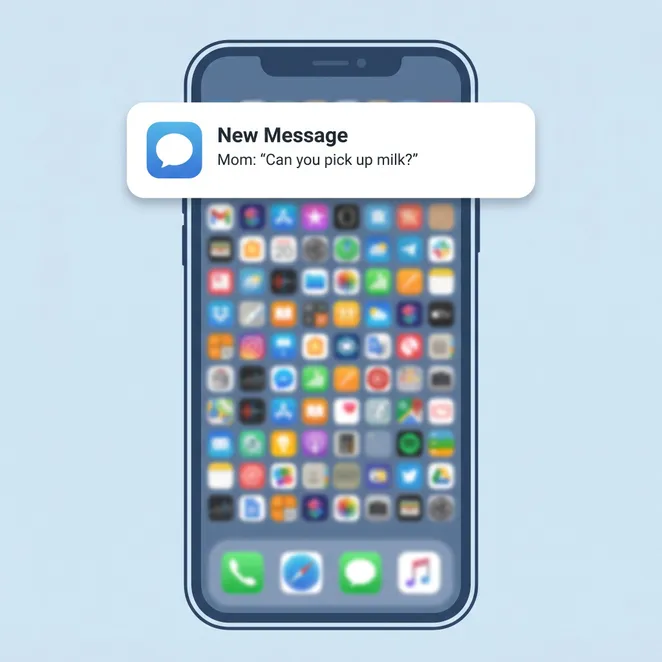
Key Trends in Mobile App Development for 2026
- Zero-friction interfaces that bypass app stores
- AI-driven conversational commerce via native SMS
- Deep API integrations between booking platforms and messaging
- Predictive scheduling based on historical user behavior
- Privacy-first communication that doesn't require account creation
The Death of the 'Booking Link'
One of the most prominent mobile app trends is the abandonment of the external link. Forcing a client to click a link, wait for a browser to load, and navigate a calendar is now seen as a major friction point.
Comparing Traditional Apps vs. Invisible Software
Pros
- Zero download friction
- Works on 100% of smartphones
- Instant notification delivery
- Lower development costs
Cons
- Requires app store approval
- High user drop-off during install
- Frequent updates required
- Limited to specific OS versions
How Mobile Application Trends Impact Local Services
For barbershops and med spas, staying ahead of mobile application trends means simplifying the rebooking process. When you understand how to reduce churn, you realize that the easiest path for the customer is usually the most profitable for the business.
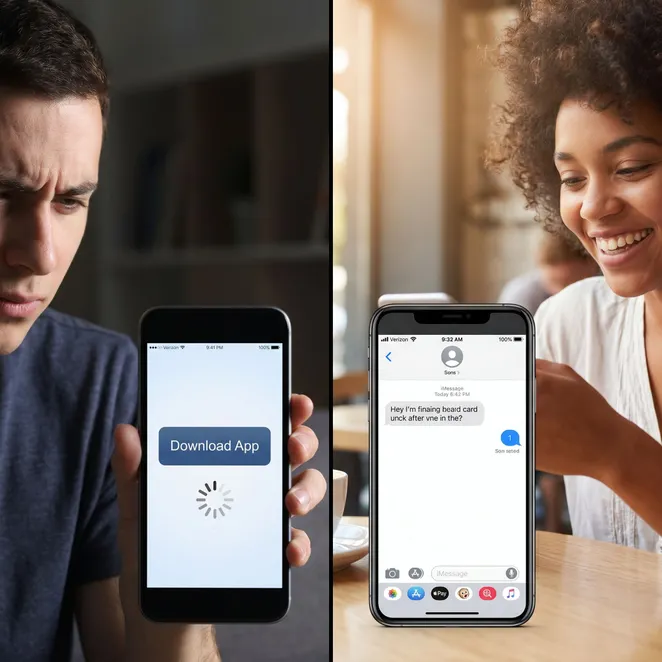
The Role of API Integrations in 2026
The backbone of invisible software is the ability to sync with existing tools. Modern systems now read your calendar in real-time to offer specific, available slots directly through a text thread.
| Feature | Traditional Mobile App | Invisible SMS Software |
|---|---|---|
| Setup Time | Minutes (Download/Login) | Seconds (Open Text) |
| Accessibility | App Store Dependent | Universal |
| User Retention | Low (App Deletion) | High (Persistent Thread) |
Implementing Mobile Booking Best Practices
Adopting mobile booking best practices involves more than just having a mobile-friendly website. It requires a proactive approach where the business initiates the conversation based on the client's last visit.
The Psychology of the Reply
Psychologically, replying to a text feels like a conversation, whereas filling out a form feels like a chore. This is why text-based interactions are dominating the service industry in 2026.
The Future of Client Retention
Drift Detection
The system identifies a client who is overdue for their regular service.
Proactive Outreach
A personalized SMS is sent offering three specific time slots.
Instant Confirmation
The client replies with a number and the appointment is booked instantly.
Frequently Asked Questions
What is invisible software?+
Why is SMS better than a mobile app for rebooking?+
Does this replace my current booking system?+
Bridging the Gap with rebook.help
At rebook.help, we have embraced these trends by building a platform that turns intent into appointments without the need for links. By using our reply-to-book SMS system, you can capture drifting clients automatically.
Over 50,000 appointments secured via SMS this year.
Data verified as of June 2026.
Ready to eliminate booking friction?
Join the thousands of businesses using invisible software to fill their calendars automatically.