Mobile Booking Trends: Moving Beyond Apps to SMS
The landscape of mobile booking best practices is undergoing a radical shift in 2026. While dedicated apps were once the gold standard, modern consumers are increasingly favoring 'invisible' interfaces that live within their existing communication channels.
- Customers prefer SMS over app downloads
- 85%
- SMS open rates compared to 20% for email
- 98%
- Higher conversion for reply-to-book vs links
- 3x
The Decline of the Friction-Heavy Mobile App
For years, mobile application trends suggested that every local business needed their own app. However, the reality of mobile app ux design has proven that forcing a client to download, update, and log into a separate platform creates significant friction.
Pros
- Zero download required for SMS
- Instant access to conversation history
- Native to every smartphone
- Works even on low-bandwidth connections
Cons
- Requires high-speed data for download
- Forced password resets and logins
- Frequent notifications lead to uninstalls
- Occupies valuable phone storage
Understanding Interaction UX Design in 2026
Modern interaction ux design focuses on the 'path of least resistance.' Instead of navigating a complex grid of dates and times, clients respond better to curated choices presented in a familiar chat interface.
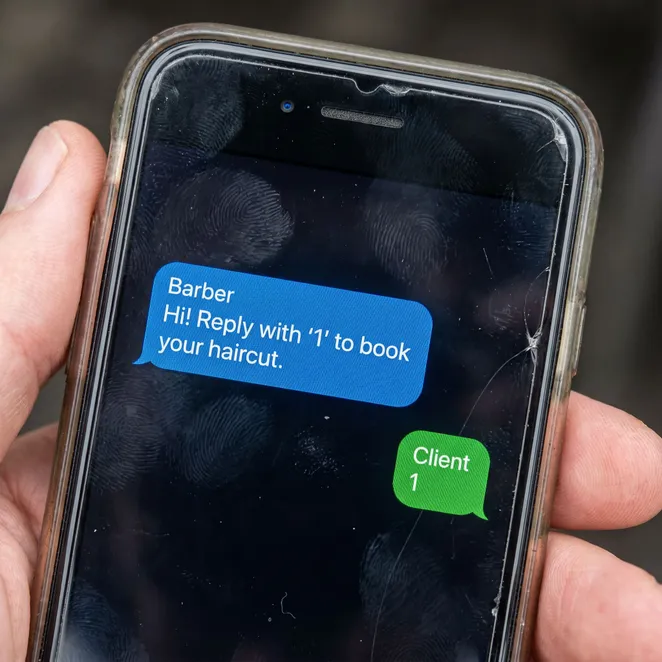
Why SMS Wins the Mobile UI UX Design Battle
When analyzing mobile ui ux design, we must consider the cognitive load. A text message asking 'Would you like to rebook for Tuesday at 2 PM?' requires almost zero mental effort compared to browsing a full service menu.
Key Mobile Booking Best Practices for Salons
- Prioritize speed over feature density
- Eliminate mandatory account creation
- Use proactive outreach based on service history
- Offer specific time slots rather than a blank calendar
- Ensure the transition from text to calendar is seamless
The Evolution of Client Engagement
We are seeing a massive shift in how businesses handle sms vs app for booking. The data shows that while apps are good for loyalty programs, SMS is the king of transactional efficiency.
Designing for the 'Invisible' Interface
Invisible interfaces rely on existing habits. By using text-to-book workflows, you meet the client where they already spend their time—in their messaging app.
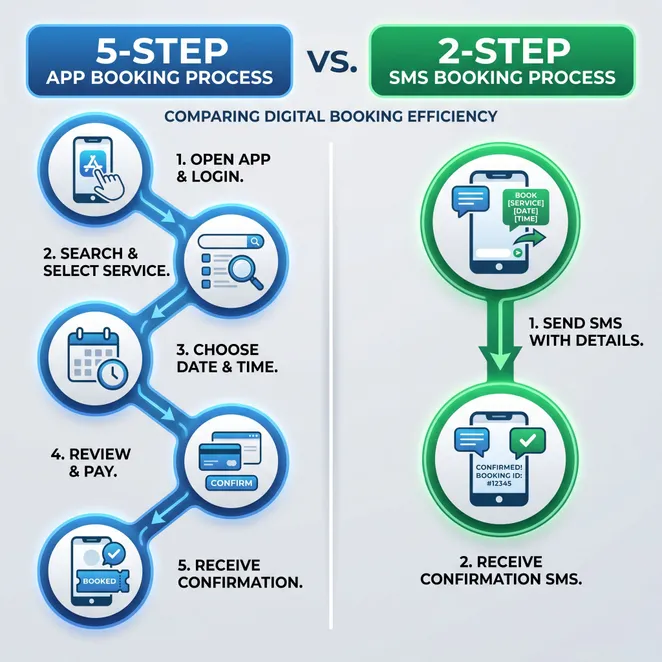

Overcoming the 'Link Click' Barrier
Every time a client has to click a link and wait for a browser to load, you lose a percentage of them. To reduce booking friction, you must eliminate the middleman of the web browser.
The Role of AI in Messaging Interactions
In 2026, AI-driven SMS systems can now understand intent better than ever. They don't just send reminders; they manage the entire rebooking conversation autonomously.
Implementing a Best Mobile Booking System
Choosing the best mobile booking system requires looking for tools that integrate with your existing POS while offering a frictionless client-facing side.
- Does it sync with my current calendar?
- Can clients book without a password?
- Does it support two-way SMS?
- Is it proactive rather than reactive?
Case Study: The 24-Hour Rebooking Window
Data shows that clients are most likely to rebook within 24 hours of their last service or exactly when they are 'due' for their next one. SMS allows for perfect timing.
Switching from an app-first strategy to SMS rebooking increased our retention by 40% in just three months.
Future-Proofing Your Client Journey
As mobile application trends continue to move toward integrated ecosystems, businesses that cling to siloed apps will find it harder to compete for client attention.
How to Transition from Apps to SMS
Audit Current Friction
Identify where clients drop off in your current app or web booking flow.
Select Text to Book Software
Choose a platform that integrates with your existing booking engine.
Pilot with Drifting Clients
Start by sending SMS offers to clients who haven't visited in 90 days.
The Importance of Calendar Awareness
A smart SMS system doesn't just offer any time; it offers the times that are hardest for you to fill, like Tuesday mornings or gaps between long color services.
Common Pitfalls in Mobile UX
Do
- Keep SMS messages under 160 characters
- Offer clear 'Reply 1' options
- Personalize with the provider's name
Don't
- Send generic marketing blasts
- Include long, ugly URLs
- Text clients after 8 PM
The Financial Impact of SMS Rebooking
When you automate the rebooking process, you aren't just saving time; you are capturing revenue that would otherwise 'drift' to a competitor.
Integrating with Your Current Stack
You don't need to replace Square or Mindbody. You need a layer on top that handles the interaction design. Finding the right text to book software is about finding the right bridge.
Frequently Asked Questions
Will clients find SMS intrusive?+
Do I need a new phone number?+
How does this handle deposits?+
The Psychology of the 'Quick Reply'
Psychologically, replying to a text feels like a conversation, whereas filling out a form feels like a chore. This is why SMS interaction design is so powerful for retention.
Visualizing the Future of Booking
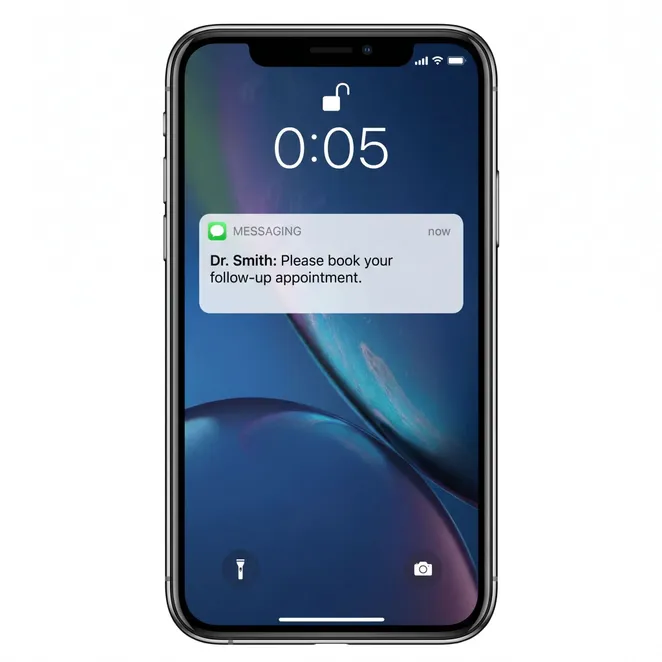
Conclusion: The Shift is Permanent
The move toward SMS is not just a trend; it is a response to consumer demand for simplicity. By adopting these mobile booking best practices, you position your business as a modern, client-first leader.
Ready to Automate Your Rebooking?
If you're tired of chasing drifting clients and want to fill your calendar effortlessly, rebook.help provides the zero-friction SMS interface your clients will love.
Turn Intent into Appointments
Start recovering lost revenue today with our automated SMS rebooking engine.